
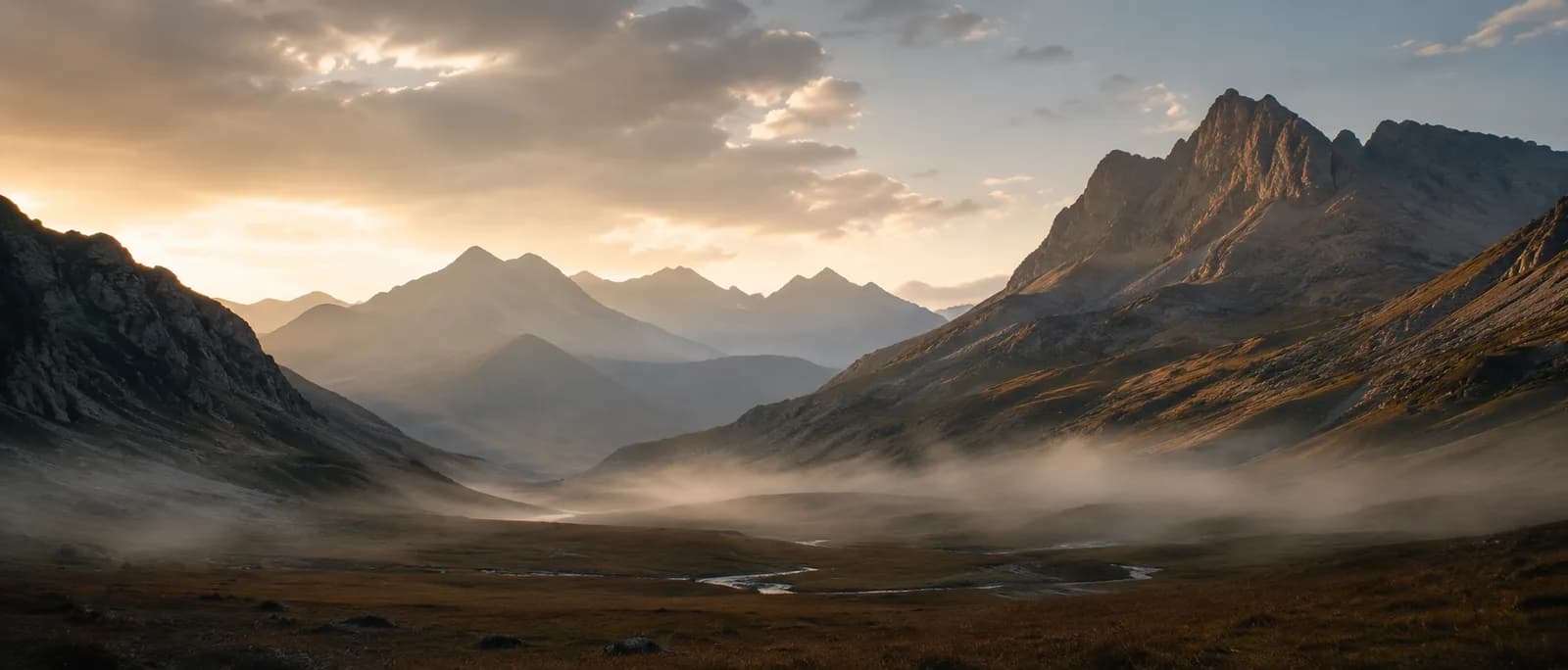
If you ask a film student which shot in a movie matters most, they'll usually name something dramatic. The right answer, for almost any film, is the first wide shot. The establishing shot is doing more work than any other frame in the picture, and most viewers will never know.
What it's actually doing
Three things, simultaneously. First, it gives you geography — where we are, the scale of the world, the relationship between the characters and their setting. Second, it sets the rules of the visual language: the color, the lighting style, the camera movement. And third, it makes a promise about pace. Slow establishing shot, slow film. Cut-heavy establishing shot, kinetic film.
Five seconds. Three jobs.
How great filmmakers cheat with it
They violate it on purpose. A film that opens with a tight close-up instead of a wide is announcing, deliberately, that the geography is going to come from inside the character, not the world. A film that opens with a stationary shot of a landscape and then slowly pushes in is telling you the world here is unmoving — humans are the only things that change.
Once you start noticing the establishing shot, you cannot unsee it. You'll find yourself fifteen seconds into a film already certain whether it's going to be good. You'll usually be right. Five seconds isn't much. It's the most expensive five seconds in the medium.