
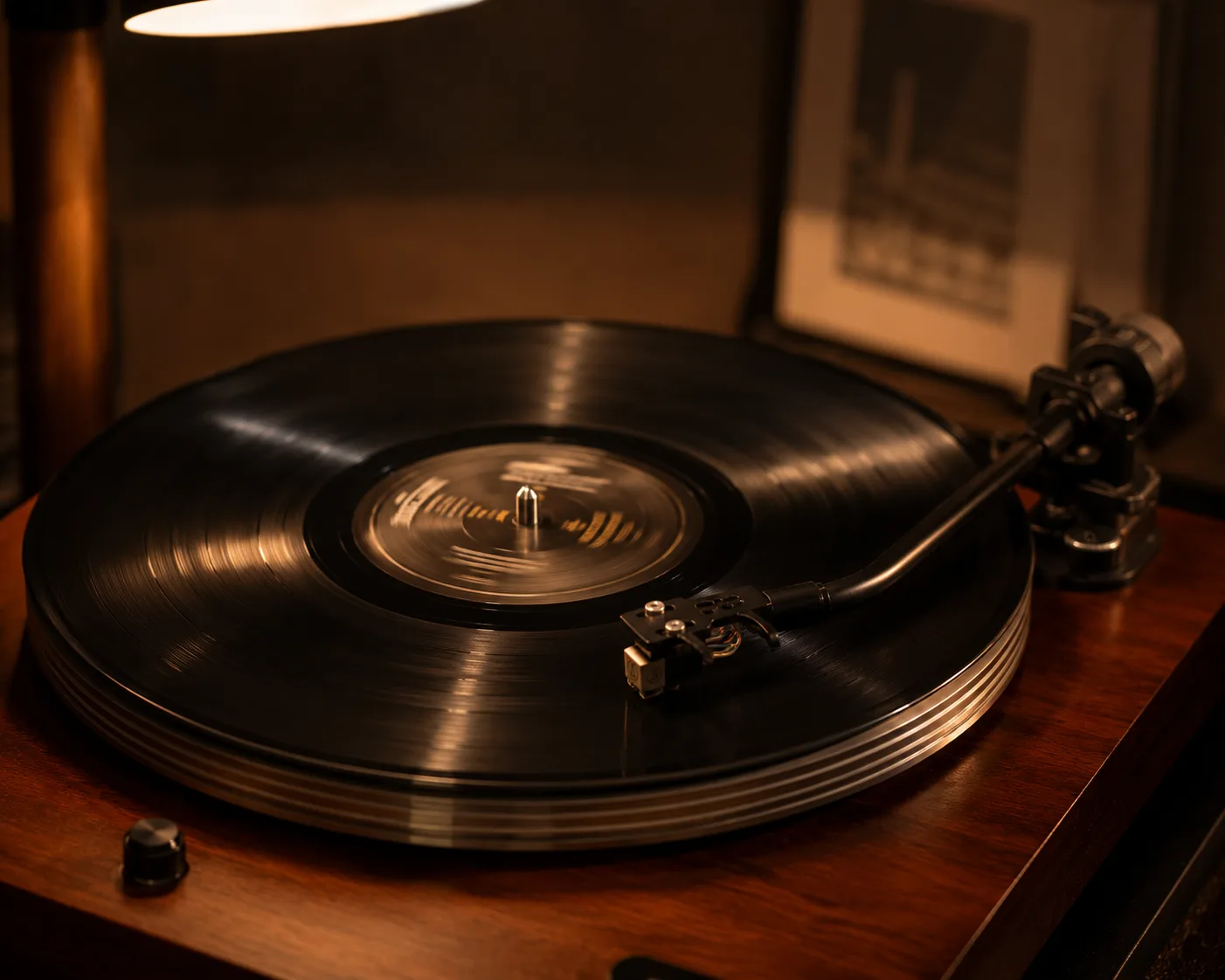
There's a question I ask any musician friend who's about to release an album: "What's your side B problem?" If they look confused, I know we have something to talk about.
Every album of any length has a side B problem. The first side is the part everyone listens to. The second side is the part everyone is supposed to. The art is in making the second side worth the journey.
The classic structure
In the vinyl era, the constraints were physical. You had roughly twenty-two minutes per side, and the listener had to physically flip the record. That ritual created a natural pause that great producers used as a punctuation mark. Side A often closed with the most accessible song. Side B often opened with the most ambitious one. The flip was the dramatic pivot.
What streaming changed
On streaming, there is no flip. The listener can skip with their thumb mid-track, and every song competes individually for attention. This has not, as some critics worried, killed the album. It has changed what the side B problem looks like.
Now the side B problem is roughly track seven. That's where listeners decide whether you respect their time. Pad track seven and you lose the back half. Make it the album's secret weapon and you earn the full listen.
The producers who solve it
They sequence late. They don't decide the order until the very end, and they let the songs argue with each other. The artists who finalize the order in pre-production almost always have a sluggish back half. Sequence is a craft. Treat it like one.
Listen to your favorite album again, just for sequence. The reason it works is not the songs. It's the order.